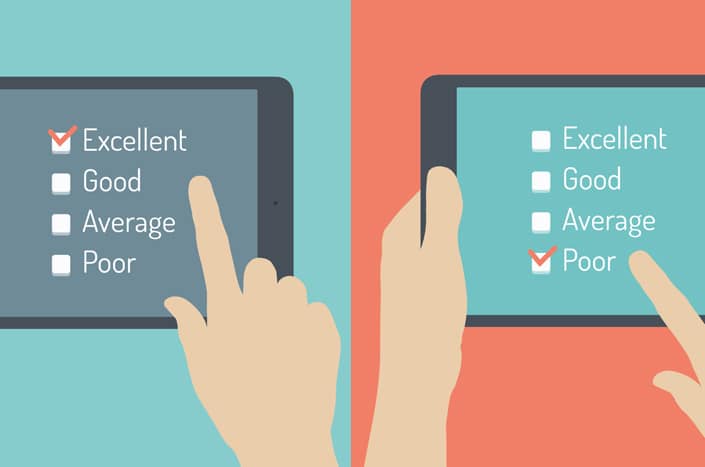
Mobile devices have forced designers and developers to rethink how they approach building webpages. Smaller screens demand layouts that are lean, simple and scalable. Designers must identify the most critical content first and design around that content. This changes the way pages are created for all screen sizes, encouraging more streamlined experiences from mobile to desktop.
Today, over half of all digital media consumption is done on tablets or smartphones.
People expect seamless transitions as they access websites across a variety…
Read More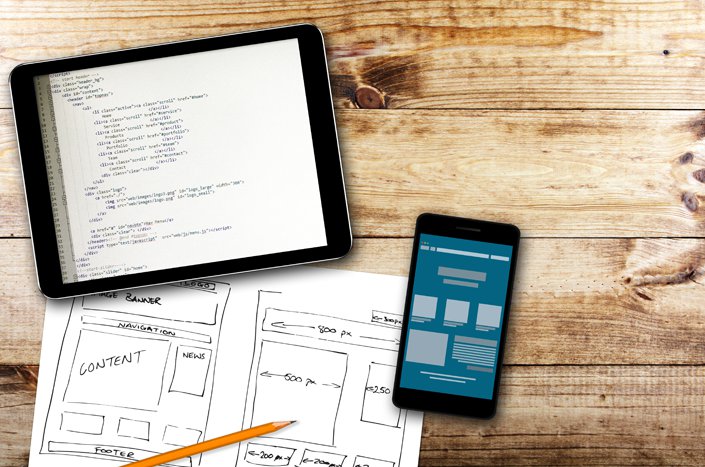
 YouTube rolled out its new One Channel platform over the spring and early summer. By now, whether you have set up your channel or not, any YouTube accounts you have should have long been converted to the new design. With the changes, Google is attempting to make the site more of a subscription based destination, rather than a video hosting site. As the name implies, all users now have a channel…
 From a designer’s perspective, responsive website design is beautiful. It is simple: one site, many devices. With a responsive design, your site will transition seamlessly from desktop to mobile without the need for distinct urls. In addition, responsive designs often emphasize white space and large elements, giving sites room to breathe at all sizes. And, the consistency offered by employing responsive design is a valuable brand-building tool, since…
 Since nascent HTML began supporting images, colors and backgrounds, people have been experimenting with ways to dress up their pages. Website design has since flourished, with developments in code and technology giving designers the freedom to create layouts they could not have dreamed of ten years ago. But even with modern development capabilities, challenges still exist. Browser and operating statistics, coupled with on-site analytics, can help you predict what technology…
 Internet connected devices such as phones, tablets and e-readers now outnumber people in the United States, according to data released by The NPD Group. Americans have 425 million web-enabled gadgets in homes across the country, while the latest Census report puts the human population at only 311.5 million.